Automated advantage: The defence industry and AI
In a 2019 White Paper titled ‘Machine Learning and Artificial Intelligence in Defense and Aerospace Applications’, Curtiss-Wright Defense Solutions defined machine learning (ML) as a computer system that uses patterns and inference to perform tasks, rather than following specific instructions. Pointing to an example, the company explained that email spam filters that automatically detect and redirect fraudulent emails are one simple use of ML.
A more advanced form of ML – where a machine is trained to identify and understand things using sophisticated deep neural networks to recognise patterns and characteristics and thus create a multifaceted understanding of the information provided – is known as deep learning (DL).

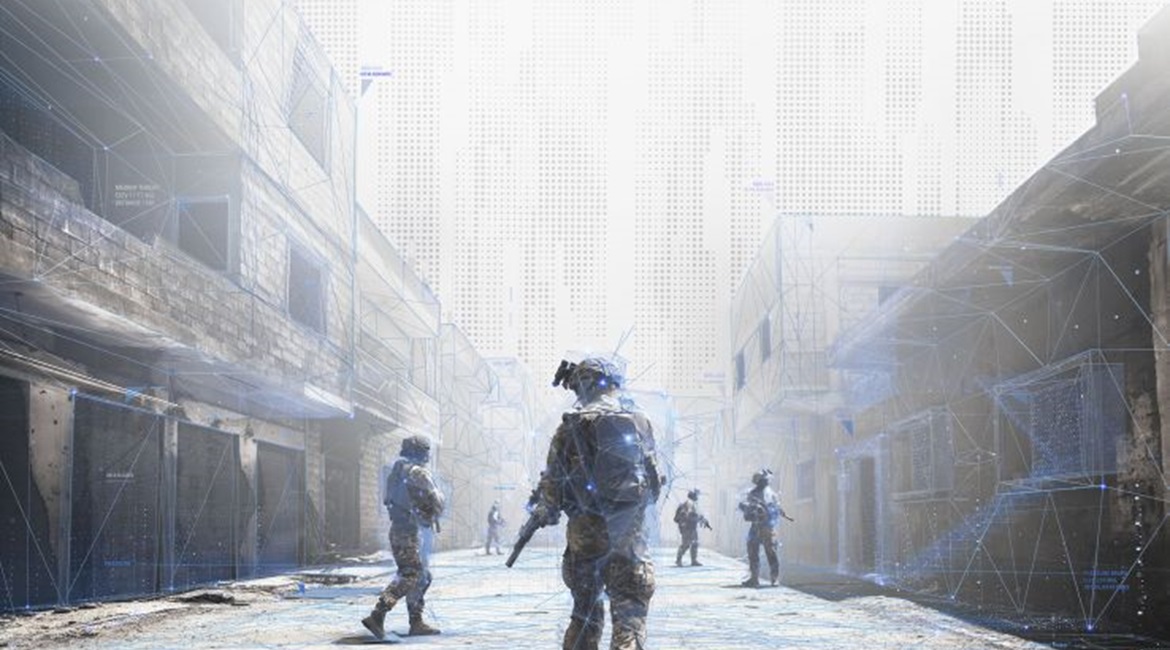
AI is being used in a range of ways across the battlespace and is also increasingly used to gain efficiencies in the industrial domain. (Lockheed Martin Corporation)
According to Curtiss-Wright, artificial intelligence (AI) expands ML techniques by incorporating behaviours and outcomes “so computers can come even closer to simulating human intelligence”. By developing the ability to mimic human cognitive intelligence, AI enables a computer to apply knowledge gained from previous actions to improve its intelligence and decision-making capabilities.
Ubiquitous technology
AI has become almost omnipresent during the past decade and each year there are “many more use cases [than] there were the previous year”, according to Adrian Spragg, UK managing director of aerospace and defence at Accenture, which undertakes consultancy work for defence clients in the AI space.
AI is now prevelant across the battlespace, Spragg said, particularly around autonomous systems, although it is also increasingly used in the industrial domain, including for research and development; design and manufacturing; and support, sustainment, and training.
Go beyond the headlines - with direct links to interconnected entities
Get full access to validated equipment, military capabilities, and market insights.