US Army orders more Paladin howitzers, but seeks to end production in FY 2027
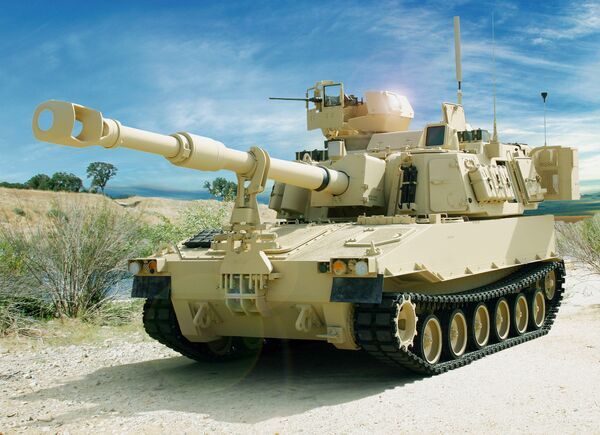

The PIM design for the M109A7 maintains elements of the M109A6's armament and cab, but introduces the drivetrain from a Bradley fighting vehicle and other components. (BAE Systems)
The US Army in May awarded BAE Systems a USD535 million contract to produce additional M109A7 Paladin self-propelled howitzers and M992A3 ammunition carriers, the company announced on 16 June.
Work under this contract is scheduled to begin in the first quarter of 2029 and continue throughout that year, a BAE Systems spokesperson told Janes . The company anticipates additional work in fiscal year (FY) 2027 and FY 2028, and referred questions about potential order quantities in the contract to the US Army. An army spokesperson had not responded as of this writing.
The army's FY 2027 request includes no new Paladin sets, and service leaders in April told lawmakers they were seeking a lighter-weight alternative.
“We need to move to a lighter system,” Acting Army Chief of Staff General Christopher LaNeve told the House appropriations subcommittee on 16 April. “Looking forward to our pacing threat ... we need to move to systems that weigh a lot less, so we can get it where it needs to be in a time of need,” Gen LaNeve said.
“We are looking at a mobile tactical cannon, which can emplace, I think, in 40 seconds versus 15 minutes, which matters a lot with the drone threat,” Army Secretary Dan Driscoll told the subcommittee. “If you look at the fight in Ukraine on either side, it's really hard to move out and get fires ready to go,” Driscoll said. Ukrainian and Russian forces are both known to use unmanned aerial vehicles to identify and target each other's positions.
Go beyond the headlines - with direct links to interconnected entities
Get full access to validated equipment, military capabilities, and market insights.