Feature: New submarines set to surface in NATO's northern seas


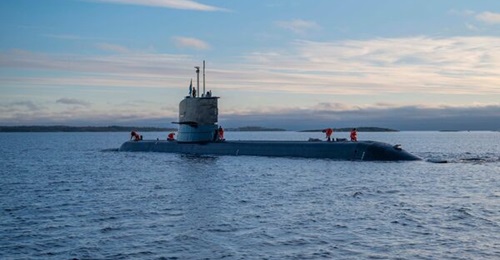
HMS Blekinge , the first of two A26 submarines in build for Sweden, is expected to be in the water in late 2028. Handover to the RSwN is set for 2031. (Saab)
The early years of the 21st century found the submarine out of favour amongst NATO's European navies. The end of the Cold War, the demise of the Soviet maritime threat, and new strategic priorities largely focused on land-centric counter-terror and counter insurgency campaigns raised questions over the relevance and relative value of a submarine capability. Amid reduced budgets and competing equipment priorities, the case for investing in new submarines no longer seemed compelling.
The corollary was a steady decline in conventional submarine (SSK) numbers across northern Europe as Cold War era boats were retired, and planned replacements were deferred or cancelled outright. Several nations queried whether submarines could be justified, or afforded: Denmark in 2004 decided the answer was no, and retired its three-boat force without replacement.
Speaking at the UDT Europe 2013 conference in Hamburg in June 2013, Vice Admiral Andreas Krause, then Deputy Commander of NATO Maritime Command Naples, observed: “Submarines are expensive to purchase, and for some – or should I say most – navies, it seems to be more and more difficult to rationalise their value in a time of diminishing resources.”
Go beyond the headlines - with direct links to interconnected entities
Get full access to validated equipment, military capabilities, and market insights.