Covid-19: DARPA's Biological Technologies Office takes on the pandemic
The threat of a devastating pandemic was a priority area for the US Defense Advanced Research Projects Agency (DARPA) long before the novel coronavirus (Covid-19) began its deadly spread across the globe. The agency is now leveraging this work for the US response to the disease, while considering how its research might evolve to address similar threats in the coming years.
DARPA’s medicine-focused work is conducted through its Biological Technologies Office (BTO) where infectious diseases fall under its ‘detect and protect’ thrust, which is one of four major focus areas, according to BTO director Dr Brad Ringeisen. The other areas are physiological intervention (covering battlefield medicine, for example), human performance, and operational biotechnology.
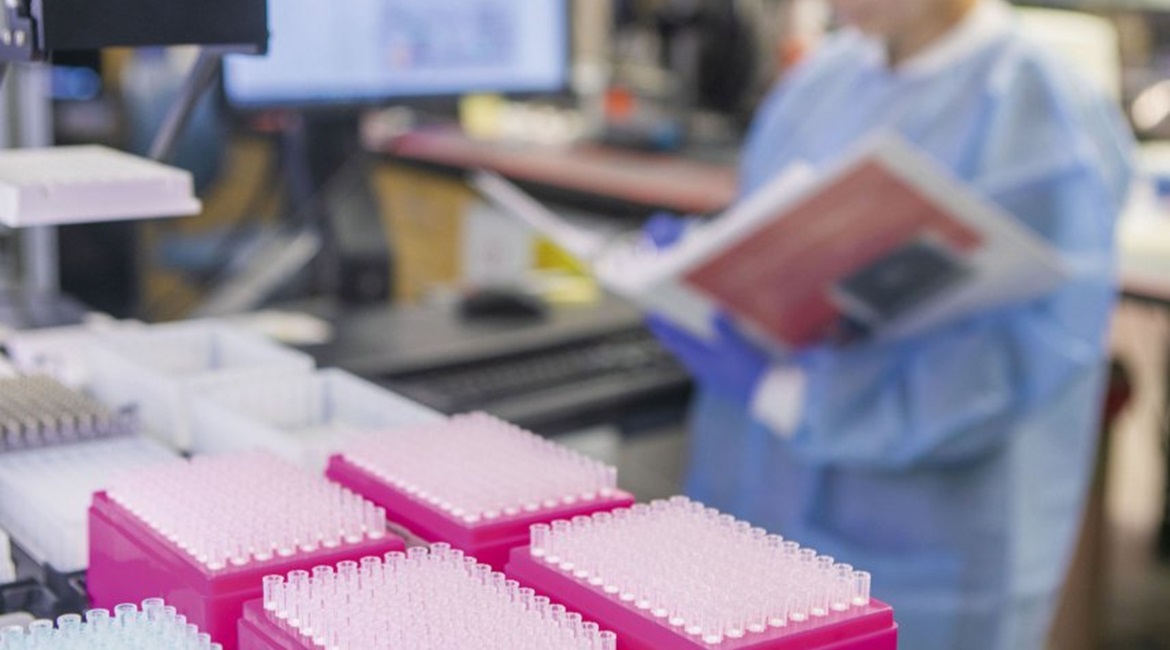
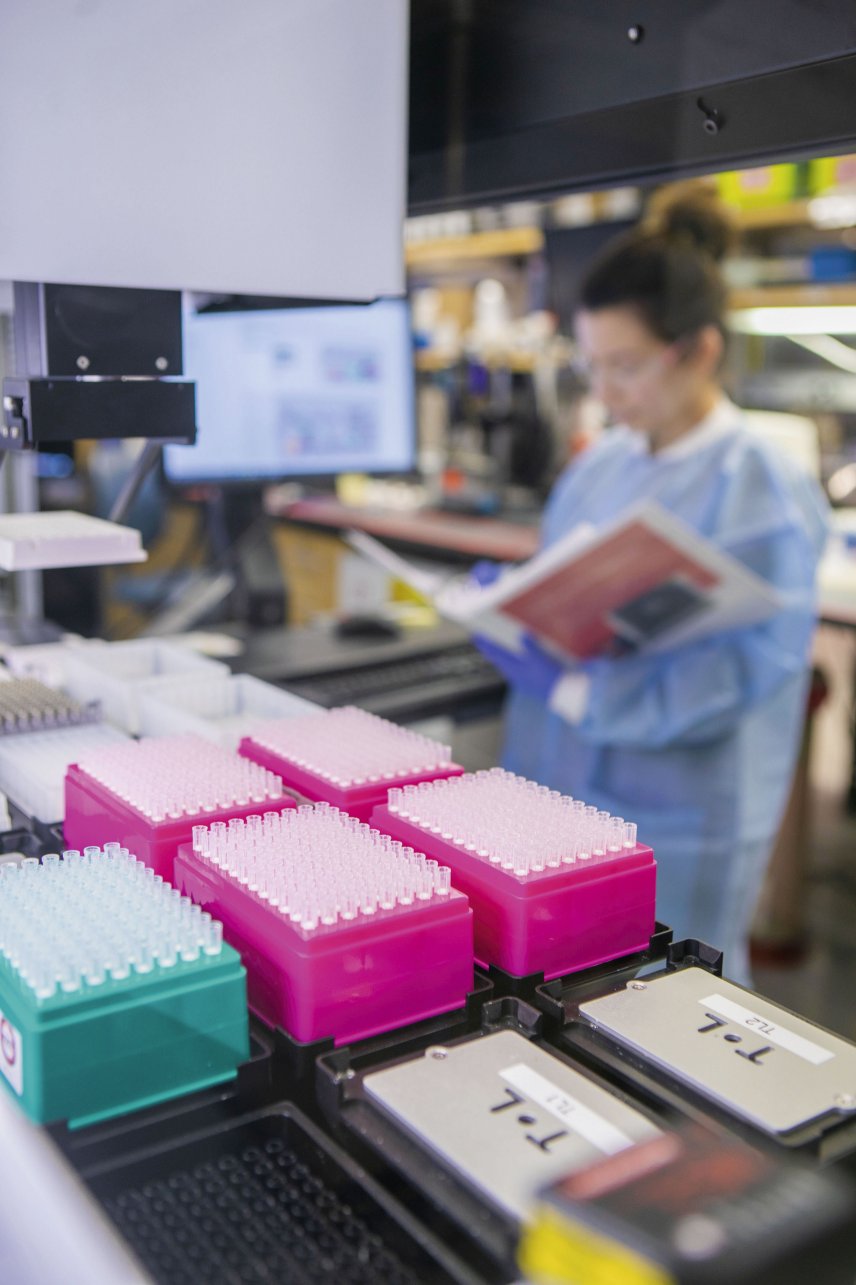
Some of the project performers on DIGET were able to use the genetic sequence of Covid-19 to distinguish it from other viruses. (DARPA)
The office is a relatively new addition to DARPA’s overall structure but the potential threat from pandemics has been a focus for the agency for far longer, with Ringeisen saying some of its current work is utilising almost 20 years of research.
BTO has several projects aimed at battling pandemics, a few of which are now being adapted for use in the coming months. Ringeisen highlighted two programmes in particular that he believes “will change the game with respect to how quickly and early we can detect disease”. The first is Epigenetic CHaracterization and Observation (ECHO), which is developing technology that can quickly read a person’s epigenome – a part of human biology that the body uses to adapt to the world around it – according to DARPA. These are effectively markers on the genome that can tell scientists what the body has been exposed to, including infectious disease, said Ringeisen.
Go beyond the headlines - with direct links to interconnected entities
Get full access to validated equipment, military capabilities, and market insights.