Thermopylae Aerospace develops low-cost C-UAS system
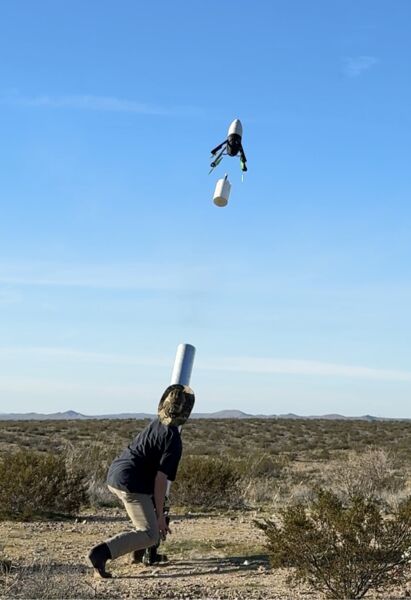

A Spart interceptor is launched from its canister during a test. (Thermopylae Aerospace)
Thermopylae Aerospace was established in June 2025 to develop counter-unmanned aircraft systems (C-UAS) and counter-missile systems, Yehor Balytskyi, CEO for Thermopylae Aerospace, told Janes on 17 July. The company is named after the Thermopylae episode in the Halo television series rather than a reference to the battle in 480 BC, he said.
Starting with a team of two, the company has grown to five employees since raising USD2.5 million in pre-seed funding in the summer of 2025, Balytskyi added.
Effective defence
Thermopylae Aerospace aims to create a low-cost defensive layer, he explained, noting that the war in Ukraine has demonstrated the need for more effective air defences.
“We saw historically that interceptors provide the highest effectiveness within a battlefield. The problem is that most of the interceptors that exist in the West are expensive per shot, primarily because they're based on rockets and expensive centralised radar systems,” Balytskyi said.
“We found that if you build the interceptor around a battery or hybrid-electric propulsion architecture or a jet turbine, you can drop the cost significantly,” he said.
In Ukraine, the effectiveness of drone interceptors is “based on operator skill. This is not scalable”, Balytskyi said.
Addressing the threat “requires a fully integrated approach from a company rather than just one interceptor platform manually piloted”, he claimed.
Spart
Thermopylae Aerospace is building its Spart platform, which is named after a single Spartan soldier. It features a pneumatically launched quadcopter interceptor that can be deployed from air, ground, and maritime vehicles, Balytskyi said.
Go beyond the headlines - with direct links to interconnected entities
Get full access to validated equipment, military capabilities, and market insights.