Skydweller Aero readies persistent UAV for first flight
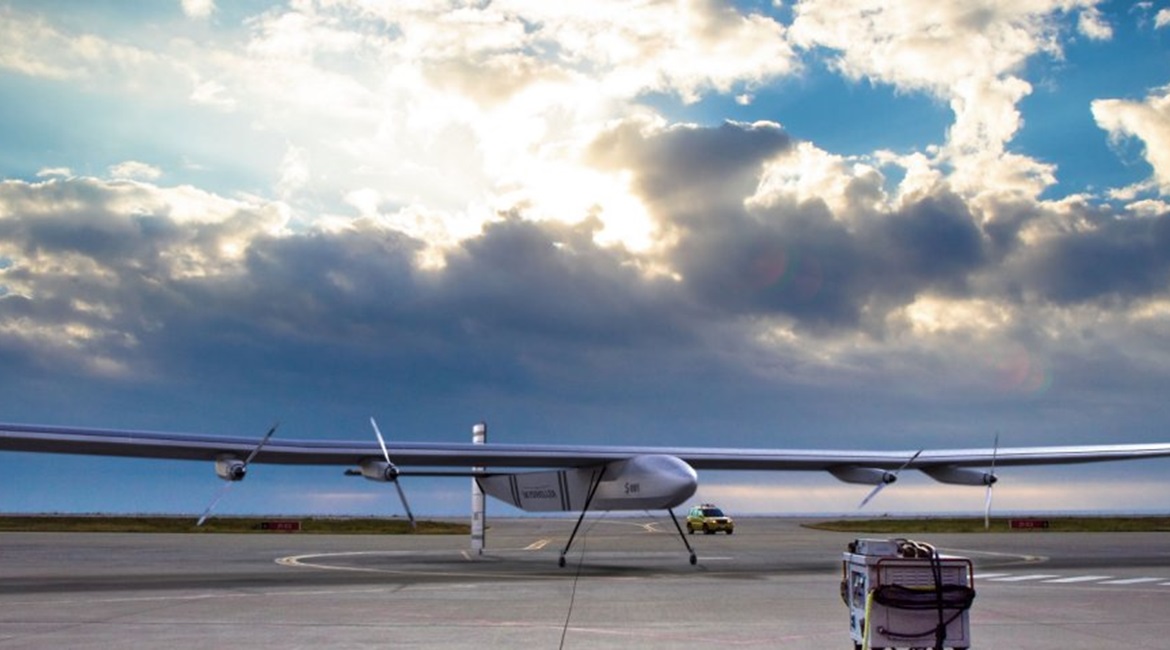
US-based technology startup Skydweller Aero is aiming to complete the conversion of the Solar Impulse 2 solar-powered aircraft into a persistent unmanned aerial vehicle (UAV) and commence customer demonstrations in and outside Spain by the third quarter of 2021, the company told Janes.
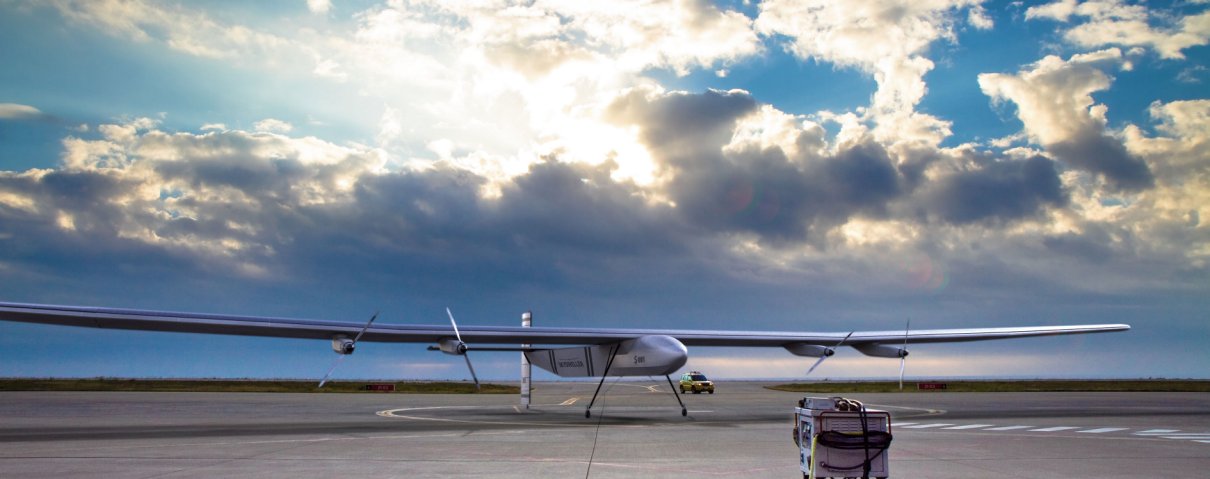
Skydweller Aero is developing a persistent UAV based on the solar-powered Solar Impulse 2 aircraft, which successfully completed a circumnavigation of the world between March 2015 and July 2016 using just solar power.
“We are in the process of unmanning the aircraft and verifying the technology going into that looking into building what I would call our first-generation model,” Dr Robert Miller, CEO of Skydweller Aero, said. The company has established a Spanish subsidiary with facilities in Madrid and Castilla-La Mancha.
“Our focus right now is on the technical quality and the operational safety of the aircraft, [with the aim of] conducting customer demonstrations by the next summer,” Miller added, noting that flight trials are expected to be primarily carried out in Spain, although testing may also be performed overseas.
According to the latest specifications provided to Janes, the as-yet-unnamed UAV will have a maximum take-off weight (MTOW) of 2,500 kg and will be capable of cruising at speeds of up to 100 kt and attain a service ceiling in excess of 45,931 ft (14,000 m).
The UAV will feature 72 m wings that are covered with 2,900 ft2 of photovoltaic (PV) cells, which will capture renewable solar energy that can be converted to 2 kW of power to support its payloads.
A key feature of the air vehicle is its ability to carry up to 400 kg of mission equipment following the removal of the cockpit and pilot safety equipment.
Go beyond the headlines - with direct links to interconnected entities
Get full access to validated equipment, military capabilities, and market insights.