Belt and Road Monitor, Edition 16, 2026

This edition of the Belt and Road Monitor covers developments from 1 to 30 April 2026. The Monitor draws from transactional data collected daily by our proprietary tool, Janes Geoeconomic Threat Intelligence (formerly Janes IntelTrak), as well as research compiled by our team of analysts. If you enjoy our Belt and Road coverage, consider checking out our proprietary database, a visual analytics tool that tracks and maps the global activities of Chinese and Russian companies in real time and includes expanded analysis of projects highlighted in "Top Developments."
Belt & Road at a glance
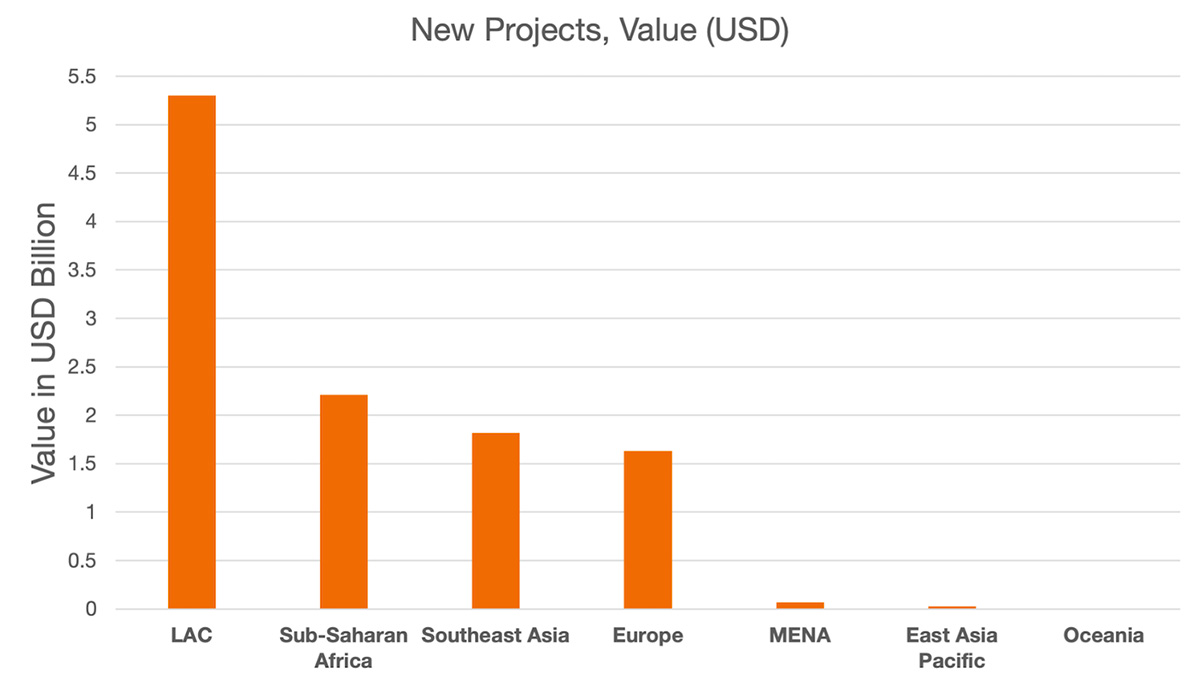
Value of all new BRI projects

USD9 Billion
(Estimated)
Latin America

the Region with the highest value of new bri projects
Largest New Transaction
USD 1.73 Billion
mass transit line construction

ho chi mich city, vietnam
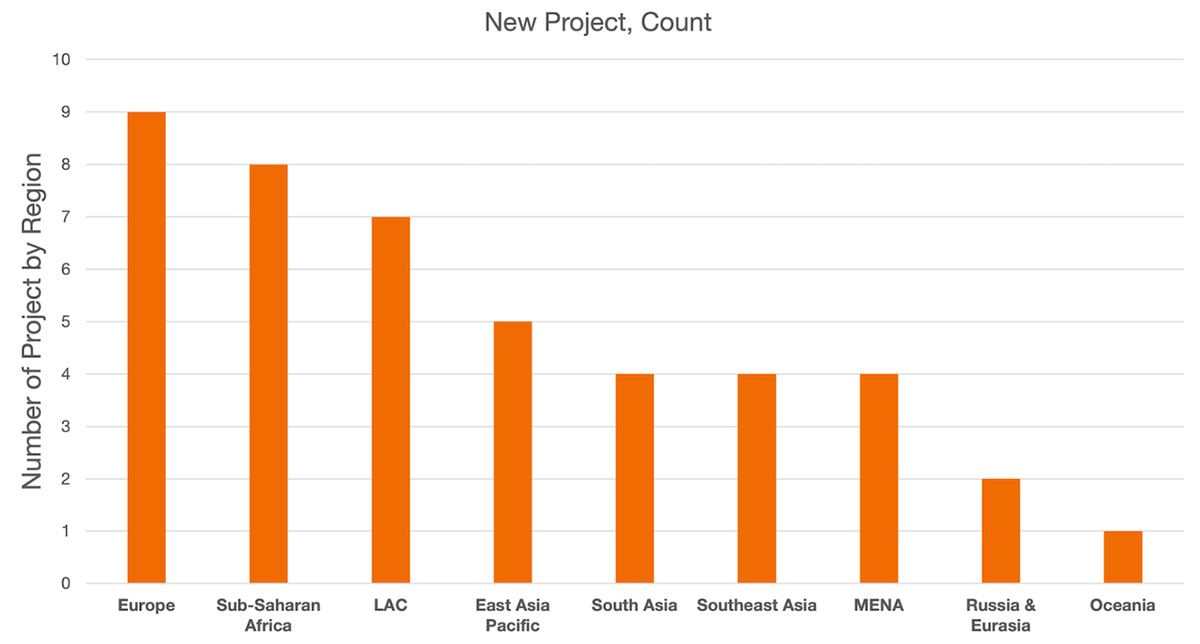
12
Solar Energy Related Projects

Chinese BRI Transactions in USD Billions
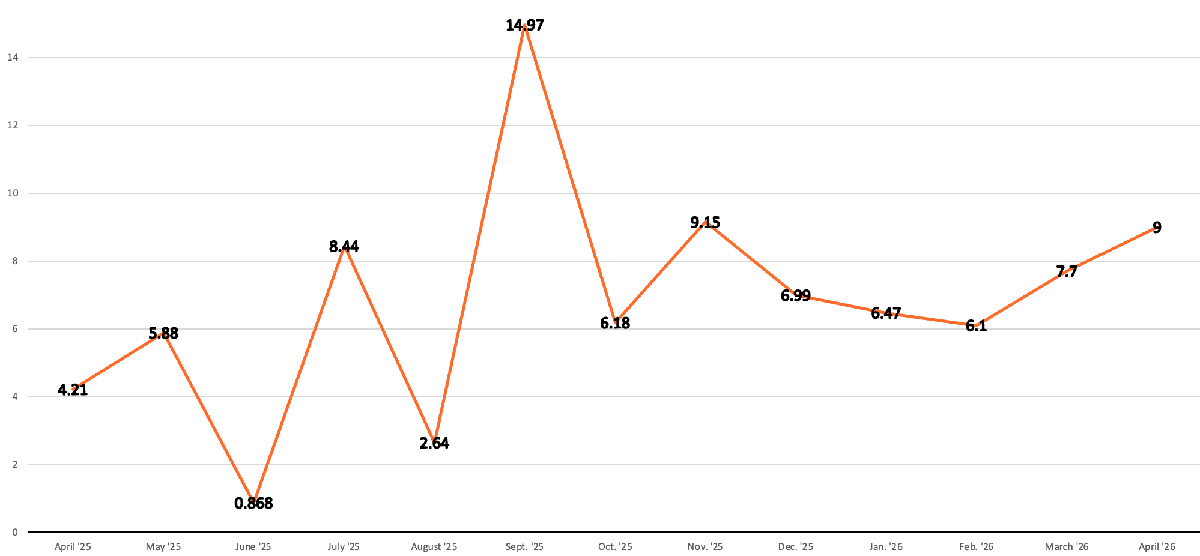
Graph notes: These transactions include Chinese loans and grants but also contracts and subcontracts. Not all transactions will come to fruition, and this graphic does not account for cancellations, disruptions, failure to disburse funds, etc. This depicts the announced values of transactions with involving Chinese entities operating overseas, which could include Chinese funded projects but also foreign funded projects involving Chinese contractors, across multiple BRI-linked sectors.
Belt and Road Initiative top developments
Laos-Based Chinese Solar Expansion Deepens Clean Energy Influence
On 7 April 2026, the first phase of the 1,000‑megawatt (MW) Northern Laos Interconnected Clean Energy Base was commissioned, representing a decisive expansion of Chinese‑backed solar power in Southeast Asia. Developed and operated by CGN Energy Technology (Laos) Sole Co., Ltd., a subsidiary of China General Nuclear Power Group, the project demonstrates China’s ability to originate, finance, and deliver utility‑scale solar infrastructure internationally.
iFlytek, Brazil Sign AI Partnership
On 13 April 2026, iFlytek and Brazil’s Ministry of Science, Technology and Innovation and the Federal Data Processing Service (Serpro), Brazil’s federally owned IT company, signed an artificial intelligence (AI) co-operation agreement. This deal marks the localisation of Chinese AI into Brazilian Portuguese ecosystems and integration into Brazil’s government systems via Serpro.
China-Pakistan Operationalise Central Asia Trade Corridor
On 22 April 2026, the first shipment of commercial cargo from Kyrgyzstan reached Pakistan’s Karachi port via China’s Xinjiang Province, the Khunjerab Pass, and the Sost dry port in Gilgit-Baltistan under the Quadrilateral Agreement on Traffic in Transit (QTTA) framework. The shipment was carried out by Pakistan’s National Logistics Corporation (NLC) and other partners, making it the first end-to-end shipment from Central Asia to the Arabian Sea via China bypassing neighbouring Afghanistan.
Turkmenistan Considering PowerChina’s Proposed 300 MW Solar Plant
Turkmenistan’s Deputy Minister of Energy, Serdar Saparov, stated on 29 April 2026 that Ashgabat is reviewing a proposal from the state-owned Power Construction Corporation of China (PowerChina) to build a 300 MW solar power plant in the country accompanied by Chinese preferential long-term financing. If the proposal advances, it will represent the first significant renewable energy project in a country that has historically relied almost entirely on natural gas as its sole source of power generation.
Nigeria Selects Chinese Contractors for Major Oil Refinery Rehabilitation Project
The Nigerian National Petroleum Company Limited signed a memorandum of understanding on 30 April 2026 with two Chinese entities—Sanjiang Chemical Company Limited and Xingancheng (Fuzhou) Industrial Park Operation and Management Co., Ltd.—to establish the basis for a potential technical equity partnership covering the completion of outstanding rehabilitation work, long-term operations and maintenance, and planned expansion of the Port Harcourt and Warri refineries, Nigeria's two largest state-owned oil refining complexes.
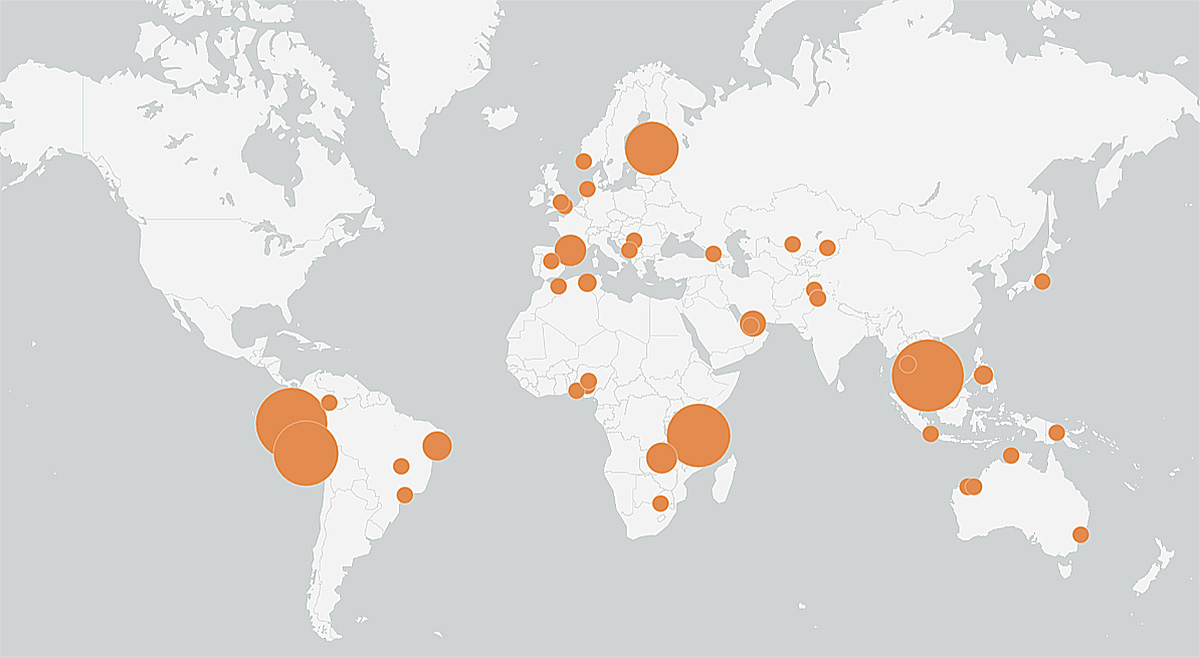
New Project Locations by Value
What They're Saying
NISSA FELTON, Principal Analyst at Janes, Geoeconomic Threat Intelligence
On the implications of today’s integrated, digitally embedded BRI.
“As infrastructure layers tighten – power feeding industry, industry relying on ports and corridors, all managed through digital systems – disruption can cascade, and small interventions can yield outsized economic effects. These are the conditions under which dual-use exposure and gray-zone coercion become feasible even without formal ownership.”
By the Numbers