Naval Group, PhotonFirst to assess fibre-optic sensing for ships and submarines
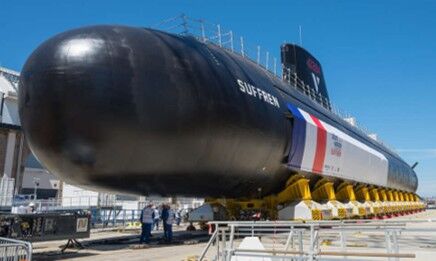

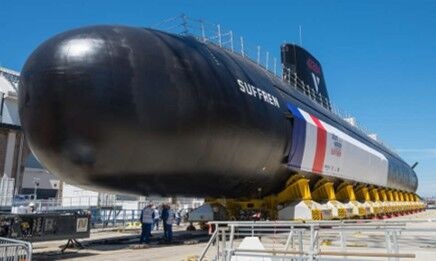
Barracuda-class Suffren nuclear attack submarine ready for launch at the Naval Group site in Cherbourg, 12 July 2019. (Naval Group)
Naval Group will partner with Dutch technology company PhotonFirst to assess the compatibility of fibre-optic sensors for the structural health monitoring of surface ships and submarines, the companies announced on 20 October 2026.
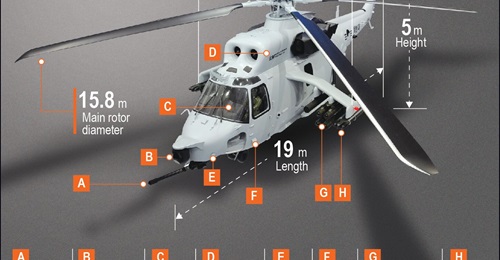
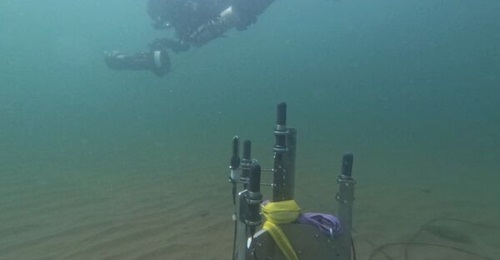
PhotonFirst's fibre Bragg grating (FBG) sensors use changes in reflected light to measure factors such as strain and temperature. The company says it has completed more than 30 aerospace and defence projects, using systems are various technology readiness levels (TRLs) on projects including Apache helicopter rotor-blade monitoring, two spacecraft, both piloted and autonomous unmanned aerial vehicles, and unmanned surface vehicles.
The companies aim to gather real-time data on strain and temperature to monitor structural behaviour and critical onboard systems in operational conditions.
The companies have not specified whether they are considering installation during construction, retrofits to in-service vessels, or both. Fibre-optic sensors allow for many more sensing points with fewer parts, less weight, and less space, PhotonFirst's spokesperson Gideon Langedijk told Janes on 28 October 2026.
Both companies said FBG sensing provides immunity to electromagnetic interference, reliability in harsh environments such as subsea conditions, reduced cabling weight and complexity, and straightforward installation in their respective press releases on 20 October. Naval Group specified that the partnership aims to improve the “operational availability” of its platforms, particularly by reducing maintenance requirements.
Go beyond the headlines - with direct links to interconnected entities
Get full access to validated equipment, military capabilities, and market insights.