UK DIP 2026: Royal Navy's hybrid vision takes shape
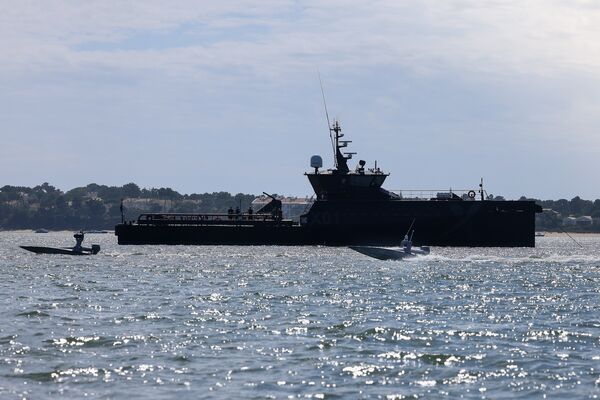

The Royal Navy's XV Patrick Blackett participates in a REPMUS unmanned systems exercise, demonstrating the RN's focus on expanding unmanned capabilities. (MoD/Crown copyright)
For the Royal Navy (RN), the UK's 2026 Defence Investment Plan (DIP), published by the Ministry of Defence (MoD) on 30 June, enshrines the service's embrace of a so-called Hybrid Navy model. This will increasingly see unmanned vessels, aircraft and submersibles integrated with manned platforms interconnected through a ‘Maritime Fighting Web'.
At the same time, existing funding commitments for new frigates, nuclear-powered submarines and support vessels are being maintained, and additional money earmarked for the next stage of the UK's Mine Hunting Capability (MHC) programme. The DIP also confirmed major infrastructure upgrades and investments to grow weapon and munitions stockpiles.
In signs of genuine change to the fleet's makeup, the projected Type 32 frigate, Type 83 destroyer, and Multi Role Strike Ship (MRSS) programmes have been culled.
Alongside the completion of the seventh and final Astute-class nuclear-powered attack submarine, the DIP confirms funding for the four new Dreadnought continuous at-sea deterrent (CASD) submarines. It is also intended to deliver 12 SSN-A submarines, to be built to a common design with Australia under Pillar 1 of the Australia-UK-US (AUKUS) partnership. Steel cutting for the first SSN-A will start in 2027, it added.
Work will also start in the current parliament to define the requirement for the post-Dreadnought strategic deterrent.
Go beyond the headlines - with direct links to interconnected entities
Get full access to validated equipment, military capabilities, and market insights.