US Air Force issues request for proposals for new ICBM system
The US Air Force (USAF) on 16 July issued the request for proposals (RFP) for its new Ground Based Strategic Deterrent (GBSD) intercontinental ballistic missile (ICBM) system that an expert expects to cost more than USD100 billion, adjusting for inflation.
The RFP covers the programme’s engineering and manufacturing development (EMD) phase and includes five production lot options to produce and deploy the weapon system. Boeing and Northrop Grumman, the two companies under contract for the technology maturation and risk reduction (TMRR) phase, will compete for the contract, according to a service statement.
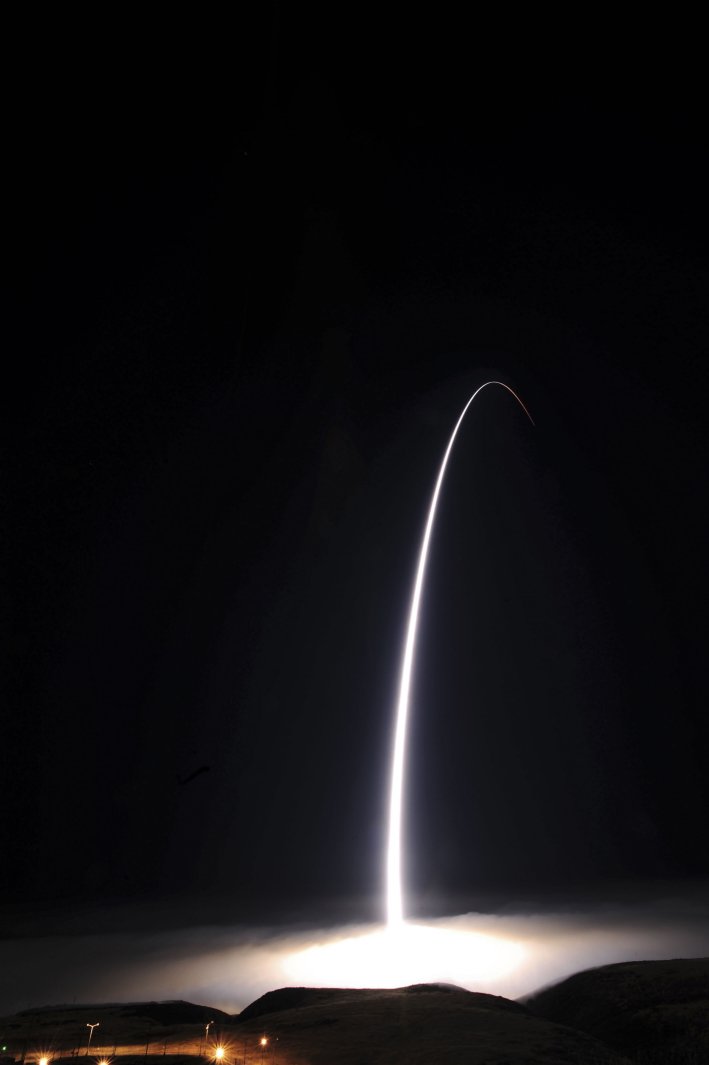
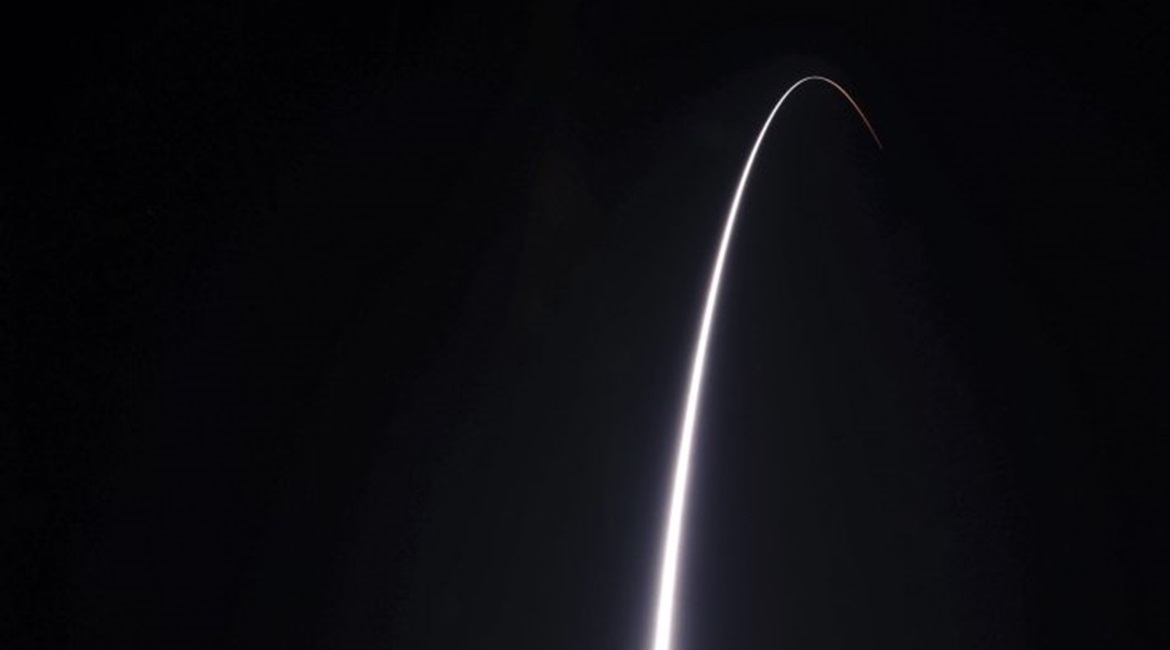
An unarmed Minuteman III ICBM is launched from Vandenberg Air Force Base in California during a routine system test. The US Air Force on 17 July released its solicitation for its next-generation Ground Based Strategic Deterrent ICBM effort. (US Air Force)
A contract award is expected in between July and September 2020 or the fourth quarter of fiscal year 2020 (FY 2020). The USAF wants to start replacing the current Boeing LGM-30G Minuteman III ICBMs by 2028. These weapons first became operational in the mid-1960s.
The USAF insists that it cannot perform another service life-extension programme for the Minuteman IIIs. However, Kingston Reif, Arms Control Association (ACA) director for disarmament and threat reduction policy, told Jane’s on 17 July that although a recapitalised Minuteman III system would be less capable than a new ICBM weapon system, it would still allow for a viable ICBM leg. This is with an inventory of less than the 400 ICBMs currently deployed that would be reduced due to testing and a limited supply of missile bodies.
Go beyond the headlines - with direct links to interconnected entities
Get full access to validated equipment, military capabilities, and market insights.