US Coast Guard integrates V-BAT drone, tests new icebreaker systems in Bering Sea patrols
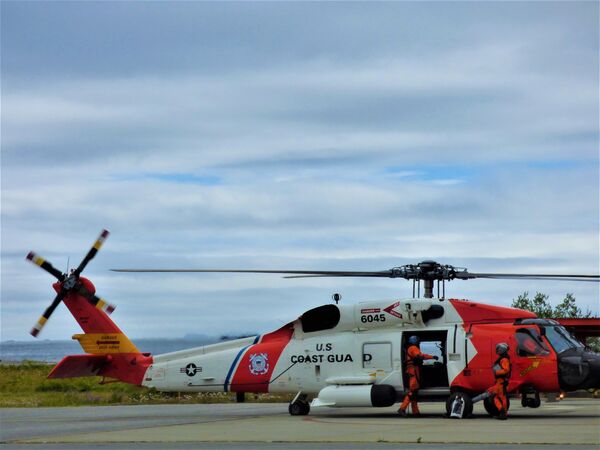

US Coast Guard Cutter Waesche conducted flight operations with aircraft from Air Station Kodiak, like the H-60 shown at the station here. (Michael Fabey)
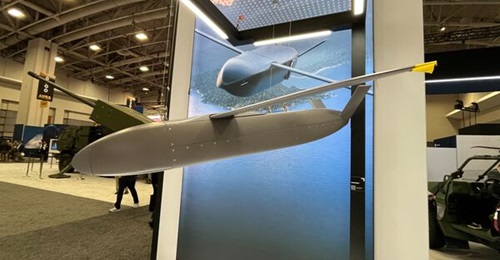
US Coast Guard (USCG) patrols in the Bering Sea recently featured the initial integration of the Vertical Take-off and Landing BAT (V-BAT) unmanned aircraft system (UAS) aboard a patrol ship, as well as a proof-of-concept fuelling evolution using the US's newest polar icebreaker, USCGC Storis (WAGB 21), USCG officials noted in official statements in mid-May.
V-BAT was integrated aboard Legend-class National Security Cutter (NSC) Waesche (WMSL 751) during the ship's recent Bering Sea patrol, the USCG confirmed in a 22 May statement. V-BAT provides persistent airborne surveillance to support a wide range of USCG missions from a smaller footprint, USCG officials said.
The NSC crew conducted deck landing qualifications for with pilots and aircraft from Air Station Kodiak and the Alaska Air National Guard's 210th Rescue Squadron, USCG officials noted.
The USCG also demonstrated its capability to sustain forces in the high north by conducting the first-ever fuelling at sea exercise with Storis in Dutch Harbor, Alaska, USCG officials said.
USCG and other US naval officials said more sustained operations are needed in the Arctic and High North to counter increasing operations by US adversaries, particularly in Alaskan regional waters during the past couple of years.
There's also been an increase in Chinese and Russian military vessels in the area, operating both independently and in coordinated operations, USCG Vice Admiral Nathan Moore, deputy commandant for operations, said on 20 April during a panel on Arctic operations at the Navy League Sea Air Space maritime symposium in National Harbor.
Go beyond the headlines - with direct links to interconnected entities
Get full access to validated equipment, military capabilities, and market insights.