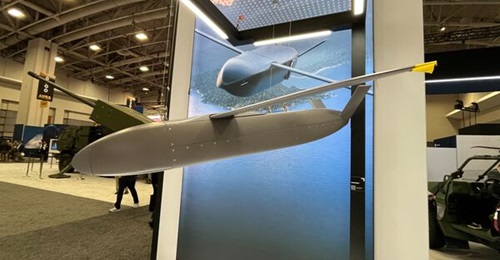
Feature: Fire Point hails FP-1 UAV success in St Petersburg strikes, details projects
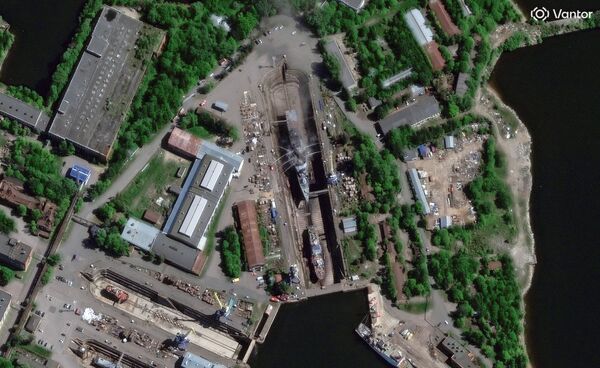

Satellite imagery released on 3 January 2026 showing emergency crews fighting fire on the Steregushchy-class corvette Boikiy in dry dock at Kronstadt naval base after being stuck by a Ukrainian UAV that day. (Vantor)
Ukrainian unmanned systems and missile manufacturer Fire Point has told Janes that its FP-1 unmanned aerial vehicles (UAVs) were used in at least 20 successful strikes on targets in St Petersburg on 3 June 2026, including causing heavy damage to the Russian Navy Project 20380 Steregushchiy II class frigate Boikiy (pennant number 532).
Boykiy was in dry dock at the Russian Baltic Fleet's Kronstadt naval base at the time of the attack. The vessel, “carries Kh-35U anti-ship missiles, as well as anti-aircraft and artillery systems, and was commissioned into the fleet in 2013,” said the 413th regiment, adding that, “Russia routinely deployed...Boykiy for operations near NATO borders and to escort shadow fleet tankers under international sanctions.”
Seven of the targets on 3 June were oil terminals, four were warships, and nine were “various targets” around the port, Denys Shtilierman, the co-founder and chief designer of Fire Point, told Janes in an interview on 4 June. “The hits made on the four warships were confirmed by video and the nine were confirmed using telemetry,” he said. Janes has seen no evidence of vessels other than Boykiy being hit in the attack. The telemetry confirmation refers to the data passed from the UAV back to a ground control station via a datalink. “The drone [FP-1] was close to the target, around 100 m. That was the last telemetry, and [in general] we get these like a couple of times a minute,” Shtilierman said.
Janes
Go beyond the headlines - with direct links to interconnected entities
Get full access to validated equipment, military capabilities, and market insights.