Puzzle pieces: Washington eyes path ahead for homeland cruise missile defence
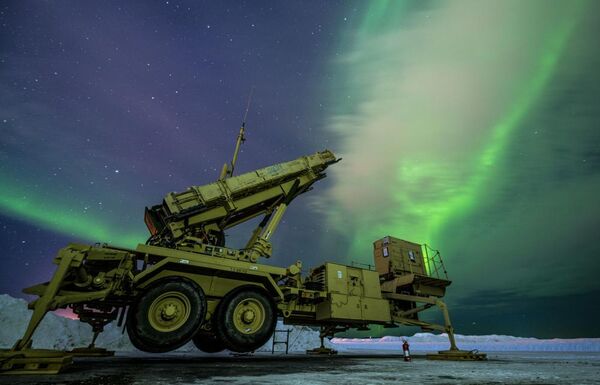

A Patriot M903 launcher station assigned to 5th Battalion, 52nd Air Defense Artillery Regiment, during Exercise ‘Arctic Edge 2022' at Eielson Air Force Base, Alaska. This defence capability could be included as part of a US homeland cruise missile defence architecture. (USAF)
Reports of Russian Tu-95 aircraft and submarines launching cruise missiles to strike targets in Kyiv, Dnipro, Vinnytsia, and Odesa filled US news reports throughout 2022, offering momentary insights to a conflict on another continent.
Accompanying images of smouldering buildings are the incremental announcements from countries pledging to send an array of weapons to Kyiv, including a promise from Washington to deliver eight National Advanced Surface-to-Air Missile Systems (NASAMS) during the coming years. Pentagon leaders contend that this weapon system will help the Eastern European country defend itself against incoming cruise missiles, unmanned aerial vehicles (UAVs), helicopters, and other aircraft.
“If the war continues for years, this [weapons package] is relevant. If there is a ceasefire or a peace settlement, this package is still relevant because Ukraine needs the ability to defend itself and deter future aggression,” Under Secretary of Defense for Policy Colin Kahl told reporters during a 24 August press conference to reveal a USD2.98 billion Ukraine Security Assistance Initiative package.
Go beyond the headlines - with direct links to interconnected entities
Get full access to validated equipment, military capabilities, and market insights.