Air Force Research Lab preparing for second hypersonic ground test
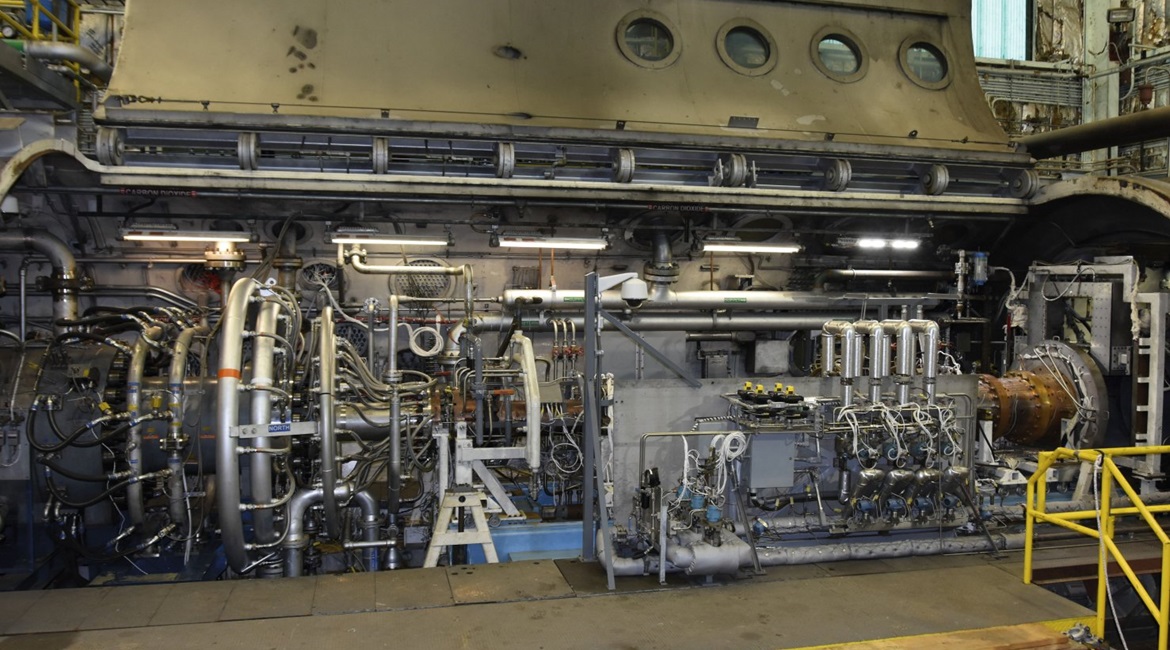
The US Air Force Research Laboratory (AFRL) is installing an Aerojet Rocketdyne-designed air-breathing hypersonic engine as it prepares for a second test.
AFRL recently set a record for the highest thrust produced by an air-breathing hypersonic engine in US Air Force (USAF) history. AFRL achieved over 13,000 pounds of thrust from a scramjet engine during testing at Arnold Air Force Base, Tennessee. The 5.5 m-long Northrop Grumman engine endured 30 minutes of accumulated combustion time during the nine months of testing, according to a service statement.
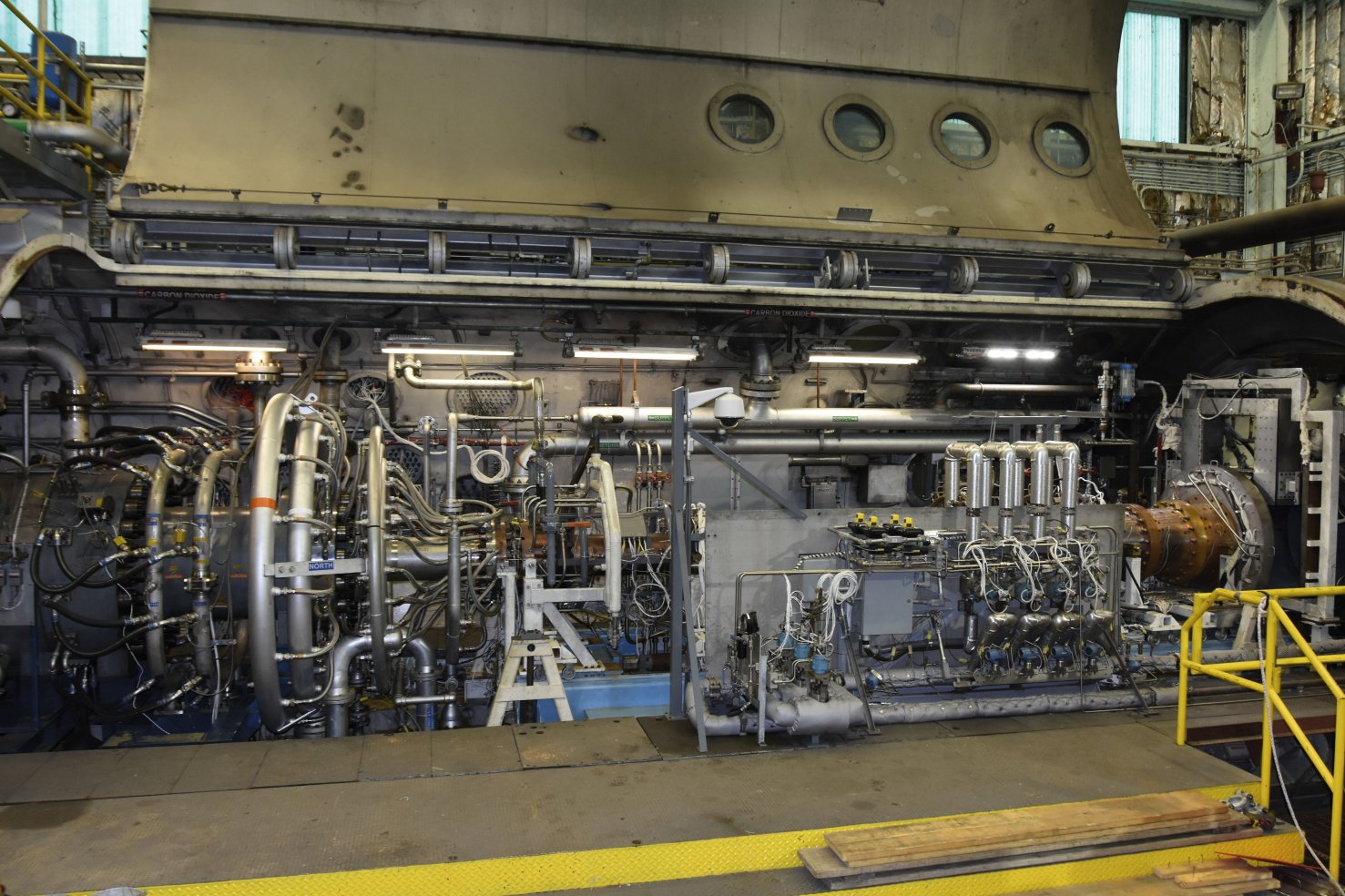
This 5.5 meter Northrop Grumman-developed air-breathing hypersonic engine at an Air Force Research Laboratory (AFRL) location recently set a record, according to the service, for the highest thrust produced by an air-breathing hypersonic engine at over 13,000 pounds thrust. (US Air Force)
USAF spokesperson Bryan Ripple said on 14 August that while the service was above 13,000 pounds of thrust on multiple different tests at different amounts of time, the longest single duration run was 67 seconds. The service said the scramjet successfully ran across a range of hypersonic Mach numbers for unprecedented run times, but Ripple declined to comment on this range of Mach numbers.
Ripple said this Aerojet Rocketdyne engine was designed under the same programme as the record-breaking Northrop Grumman engine and has similar goals. The service, he said, is planning to start testing before the end of 2019.
An evaluation of United States test facilities concluded that none could test an engine at this large of a scale in a thermally relevant environment. To address this issue, the Arnold Engineering and Development Complex’s (AEDC’s) Aerodynamic and Propulsion Test Unit (APTU) facility underwent a two-year upgrade to enable large-scale scramjet combustor tests over the required range of conditions.
Go beyond the headlines - with direct links to interconnected entities
Get full access to validated equipment, military capabilities, and market insights.